
YU HUA FAMILIES · LEARNING HABITS
SJK(C) Yu Hua parent guide: helping children find motivation to learn
Move from “Hurry up with your homework” to “Which step shall we try first?” Practical ideas for Kajang parents helping primary-school children start, ask questions and keep trying.

Photo: Anastasia Shuraeva / Pexels · Licence
Your child attends Yu Hua primary school but struggles to open the homework book after school. Does that mean they are not trying? Start by asking what is getting in the way: tiredness, an unclear instruction or not knowing which task comes first. A specific difficulty is more useful to discuss than a label such as “lazy”.
Here, Yu Hua means SJK(C) Yu Hua primary school in Kajang, also known as 育华华小 or 育华小学. It does not mean Yu Hua secondary school or another similarly named school. This is a myKiwi parent guide, not a school announcement or an assessment of its teaching results.
SCHOOL CONTEXT
Understand the school, then your child’s daily needs
The primary school’s website lists educational aims, its vision, school rules and parent information. Use the latest notices sent directly by the school for current arrangements. Its homepage still displayed 2019 notices when checked, so it cannot establish today’s sessions, staffing or activities.
To understand your child’s classroom experience, ask the teacher specific questions: do they join discussions, how do they ask for help, and which reading or classroom tasks interest them most? These observations can help you connect support at home with learning at school.
Six small ways to support learning motivation
Motivation does not have to mean asking for extra worksheets every day. Starting a task, explaining an idea and asking for help can also be progress. Try one change at a time.
Listen before giving the answer
Ask “Which sentence is confusing?” or “Can you read the question to me?” Help your child identify the difficulty. If they are tired, discuss a break; if the instruction is unclear, work out what the task asks.
Break a large task into visible steps
Replace “Finish all your homework” with “Read the question, then try the first part.” Review what comes next after one step. Adjust the amount to your child’s age, energy and actual workload.
Offer a small, meaningful choice
Let your child choose whether to begin with reading or mathematics, or explain an idea in words or a drawing. Keep reasonable routine boundaries while allowing them some responsibility for the process.
Notice strategies and progress, not only marks
Try “You read the question twice and noticed the missing condition” instead of only “You are clever.” Describe a useful approach they can try again, without comparing them with siblings or classmates.
Make room for reading and curiosity
Read a story your child enjoys and ask them to choose a moment to discuss. A shopping list, a plant or a simple craft can also invite questions. Family activities do not need to become another test.
Prepare space, materials and rest
Discuss a manageable order for food, rest and learning after school. Keep common stationery ready and reduce interruptions from television or phone notifications during the task.
Work with teachers using specific examples
If your child repeatedly struggles with the same type of task, note one example: the question, the step and how they understood it. Ask whether the teacher sees a similar difficulty in class, then agree a manageable next step. Use the school’s communication channels and respect teachers’ response times. The aim is to understand the need, not demand an immediate rise in marks.
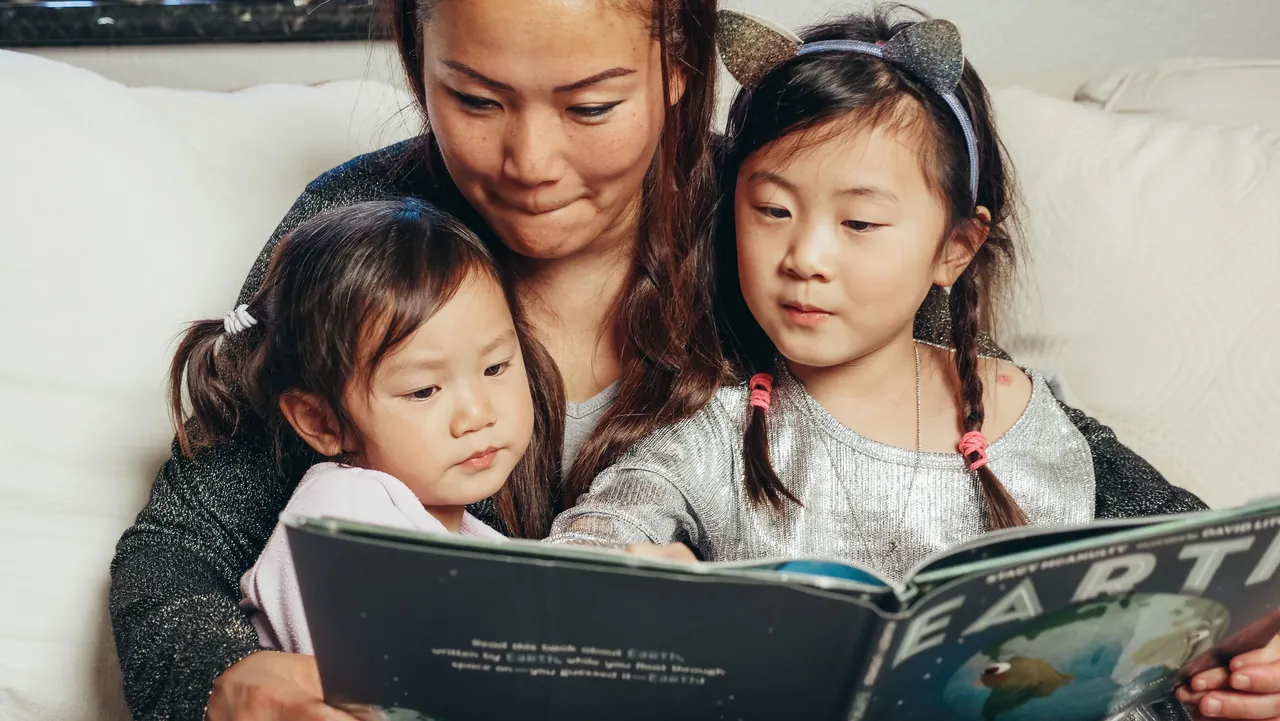
Photo: Kindel Media / Pexels · Licence
Choose the support that matches the need
For difficulty with daily assignments, explore homework guidance. For extra explanation of subject concepts, discuss small-group tuition. For care between school and a parent’s return from work, also consider daycare, meals, rest and handovers. myKiwi in Taman Saga Emas welcomes enquiries for children aged 7–12, Primary 1–6. Confirm current hours, fees, places and transport routes with the team.
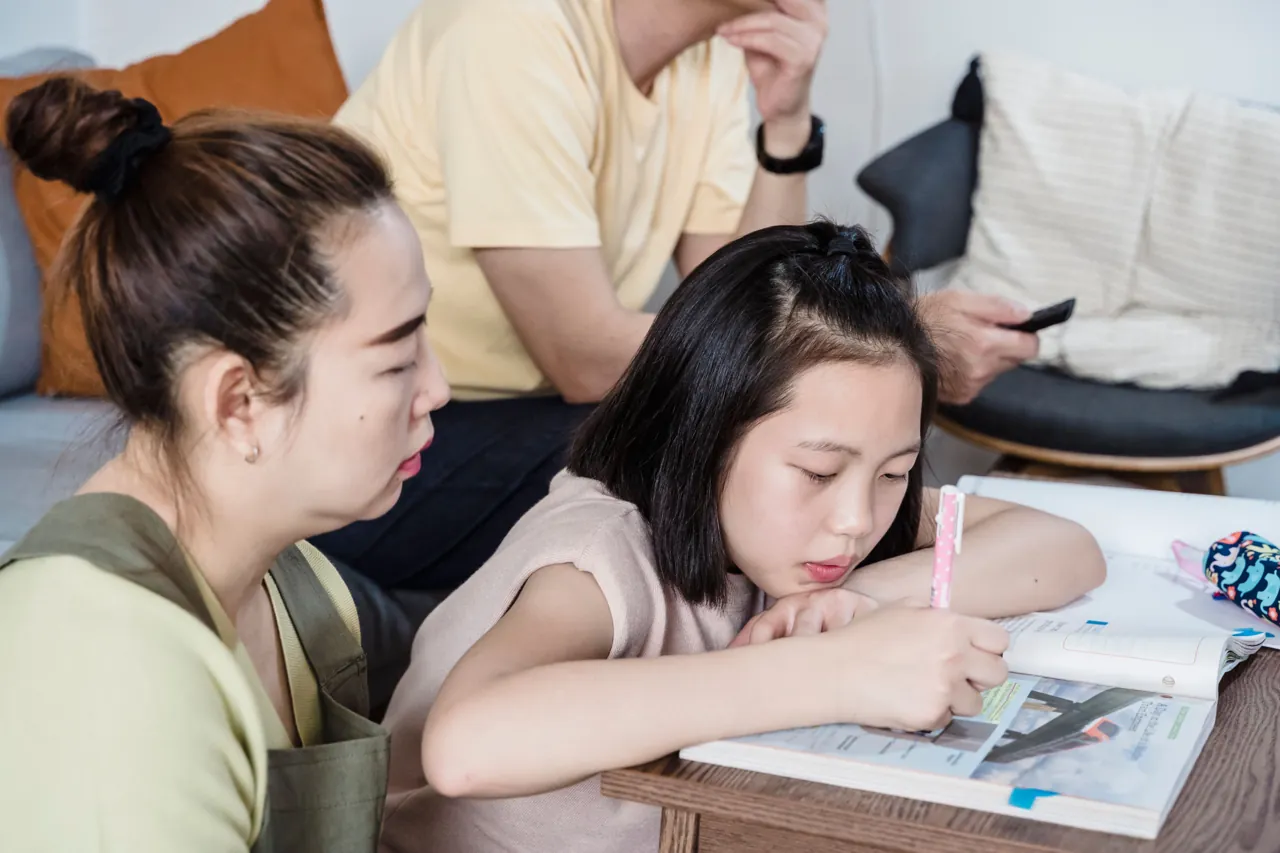
Photo: Annushka Ahuja / Pexels · Licence
A one-week experiment for busy families
This is a flexible checklist, not a fixed programme or a promise of results within a week. Choose one manageable goal together, observe and adjust.
- On the first day, ask about one enjoyable learning task and one difficult task.
- Over the next few days, keep a short, manageable shared-reading or homework-planning routine without adding piles of exercises.
- At the end of each session, invite your child to name one step completed and one area where help is still needed.
- At the weekend, consider what reduced friction and what remains difficult. Contact the teacher with an example if needed.
Find one next step your child is willing to try
Supporting a Yu Hua child’s motivation does not mean filling every evening. Understand the difficulty, protect time to rest and try small goals, shared reading and communication with teachers. To explore support around your family’s routine, start with the Yu Hua parent guide and homework guidance links below, then arrange a centre visit.
Being willing to ask one more question is progress worth noticing.
School identification: Yu Hua primary school website, checked 20 October 2026. General parenting suggestions, not an official school statement. myKiwi is an independent daycare and tuition centre with no official affiliation or endorsement by SJK(C) Yu Hua.
← All blog stories