
LEARNING, CARE & CHILDREN’S GROWTH
What Waldorf education can teach us about children’s growth after school
Homework matters—and so do curiosity, creativity and caring relationships. A reflection for Kajang parents on making after-school hours meaningful.
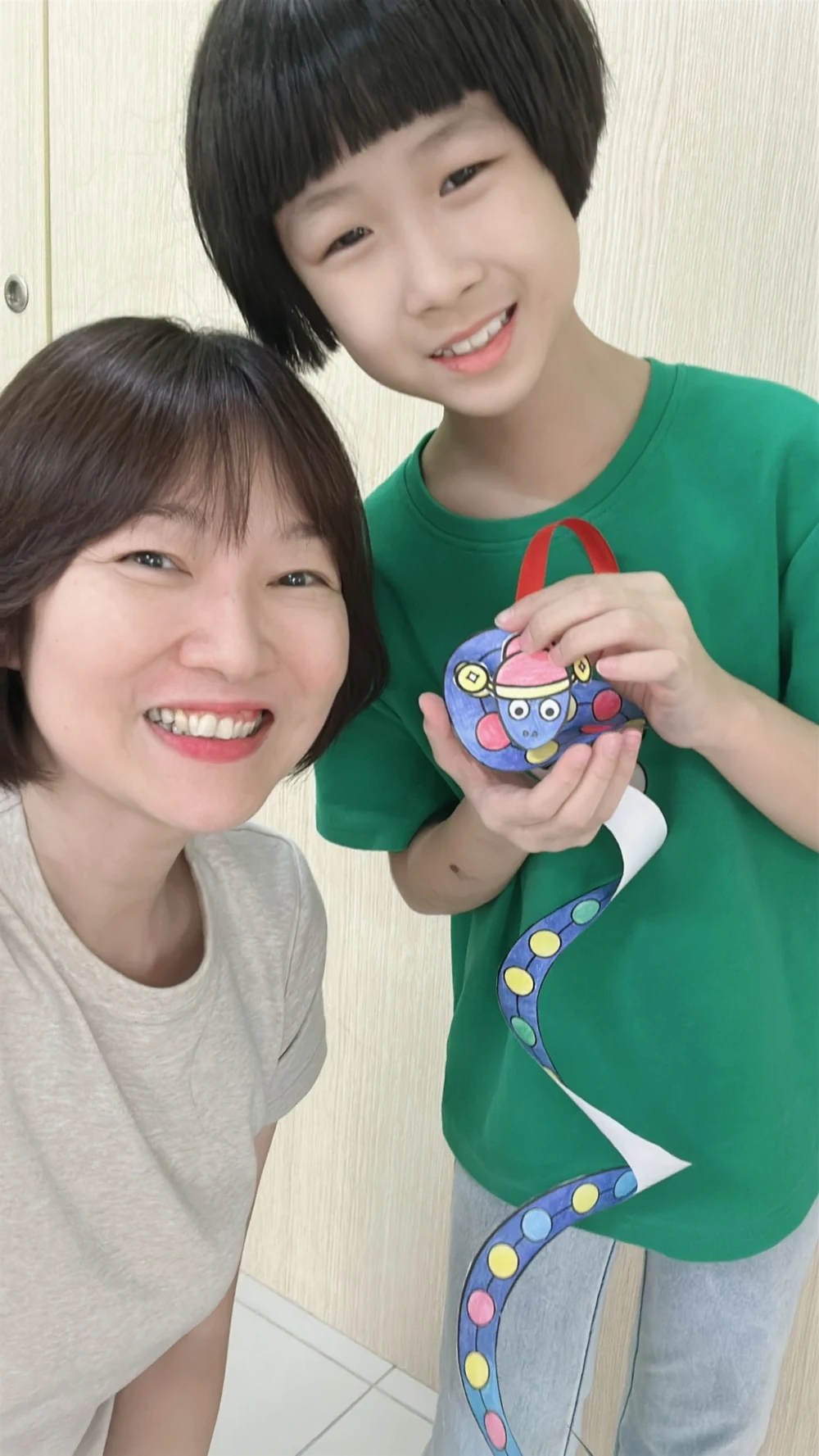
When a primary-school child comes home, a completed worksheet is only one part of the day. They may also want to tell a story, draw something they noticed or simply rest before the next task. For working parents, finding room for these needs alongside schoolwork can be challenging.
Waldorf education, developed by Rudolf Steiner, considers children’s development across several dimensions. AWSNA describes primary education that combines academic subjects with artistic and practical experiences. Here we explore a few everyday ideas that can inform after-school care. myKiwi is not presented as a Waldorf school, and these connections do not mean that we follow a formal Waldorf curriculum.
Further reading
Understanding the wider Waldorf approach
Formal Waldorf education encompasses a wider philosophy, curriculum and teacher preparation. The sources below describe that approach; the practical suggestions in this article are our reflections for families.
Four ideas for more meaningful after-school time
These are practical adaptations to discuss with your child and care provider, rather than a replacement for school learning or a promise of academic results.
Learn through doing
A child can observe, ask a question, try something and describe what happened. After making a simple craft, ask which part was difficult and what they would change. An educational visit can begin with one question and end with a drawing or conversation. myKiwi’s creative activities and educational visits offer a natural starting point for this kind of reflection.
Make space for creativity alongside homework
Drawing, making and storytelling give children different ways to express an idea. After finishing a school task, a child could sketch a favourite moment or explain a story in their own words. The aim is not another graded assignment. It is room to explore while homework guidance and small-group tuition continue to support school learning.
Build a predictable, flexible daily rhythm
A familiar sequence can help children know what comes next: a meal, some rest, homework, a break and an activity. This is an example for discussion, not myKiwi’s published timetable. The balance should reflect the child’s age, school session, energy and family arrangements. Ask about the actual routine when visiting the centre.
Notice the individual child
Attention can begin with a small observation: a child who enjoys explaining how something works, persists with a drawing or helps a friend. Annie’s interest in children’s learning reminds us to notice effort and interests as well as finished work. Specific encouragement—such as noticing a thoughtful question—can open a conversation about the next step without comparing classmates.
Learning, care and room to grow at myKiwi
myKiwi Daycare & Tuition supports primary-school children aged 7–12 in Taman Saga Emas, Kajang. Homework guidance, small-group tuition, creative activities and educational visits provide different opportunities to learn. Our aim is to support the school journey while allowing room for questions, interests and friendships.
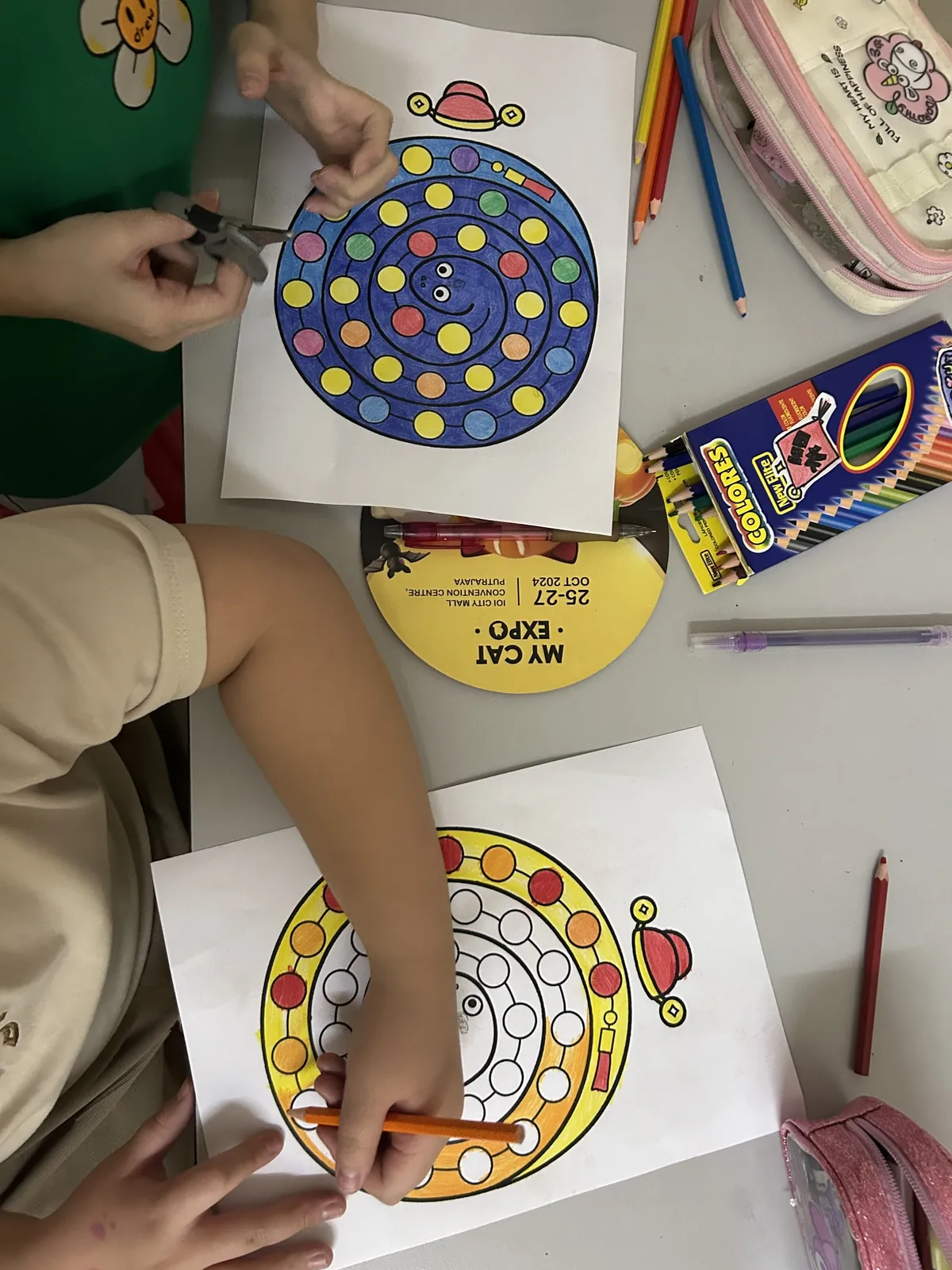
A conversation between families and carers
Ask your child what they enjoyed, what felt difficult and what they would like to try. Share a concrete observation with the adult supporting them. Families from SJK(C) Yu Hua and SJK(C) Sungai Chua can discuss school-session needs, homework and care arrangements with myKiwi. The centre operates independently and does not imply endorsement by either school.
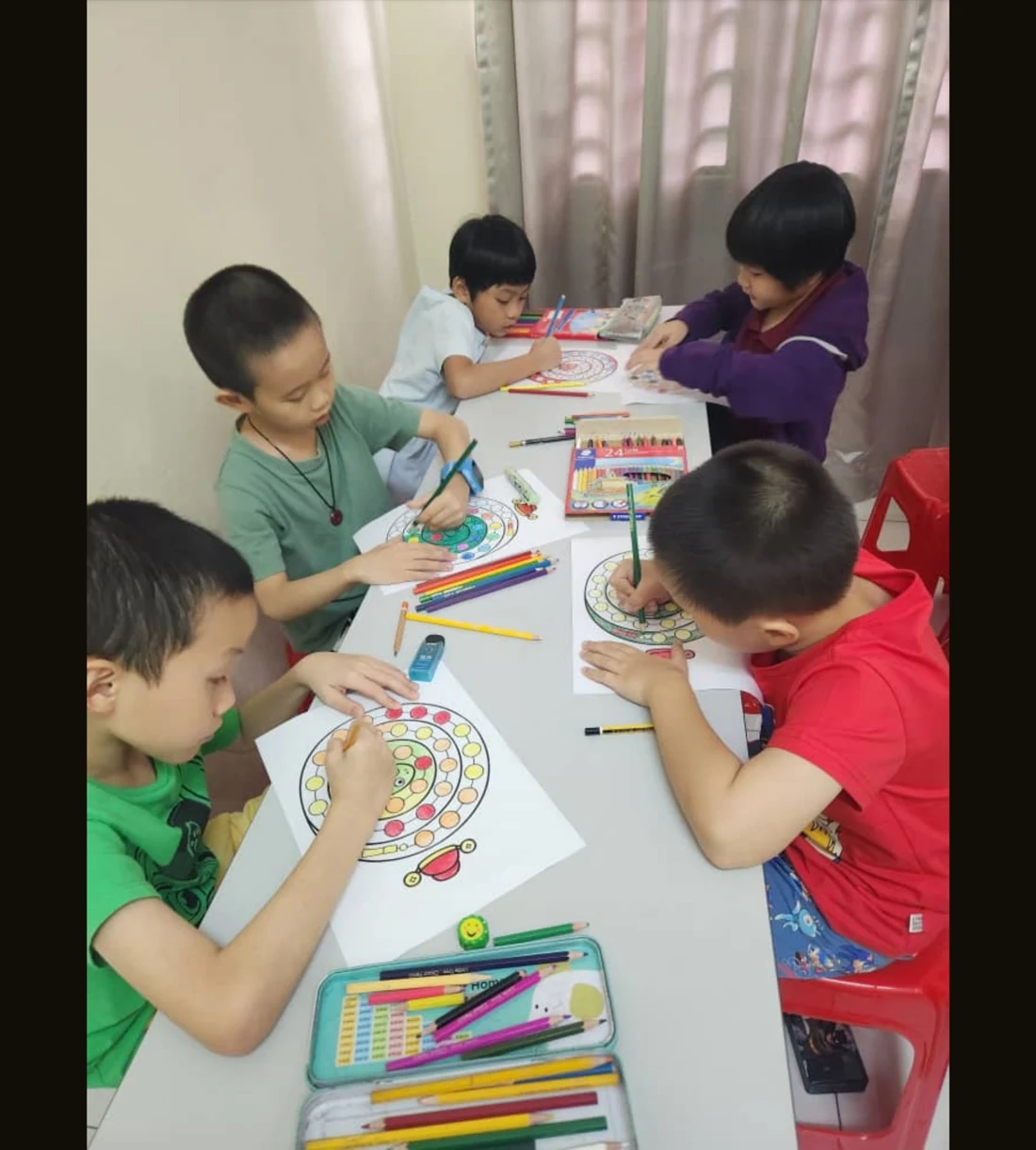
Simple ideas to try at home
Choose one manageable activity that suits your child, rather than filling every free moment.
- Invite your child to draw or retell one thing they noticed today; listen before correcting.
- Use safe, age-appropriate materials for a small making task, with adult guidance when needed.
- Keep a familiar sequence for homework, breaks and packing the schoolbag, adjusting it when the child needs rest.
- Notice a specific effort or act of kindness and ask how the child felt about it.
A caring second home, with each child in mind
Good after-school care involves both learning support and everyday attention. Visit myKiwi to discuss how homework, tuition, rest and activities could fit your child’s routine. Ask the team for current programme details, hours, fees and availability; this article does not announce a new Waldorf programme.
Make room for school learning, curiosity and the small steps of growing up.